Why Quality Control Matters for Pipe Processing Equipment
Introduction
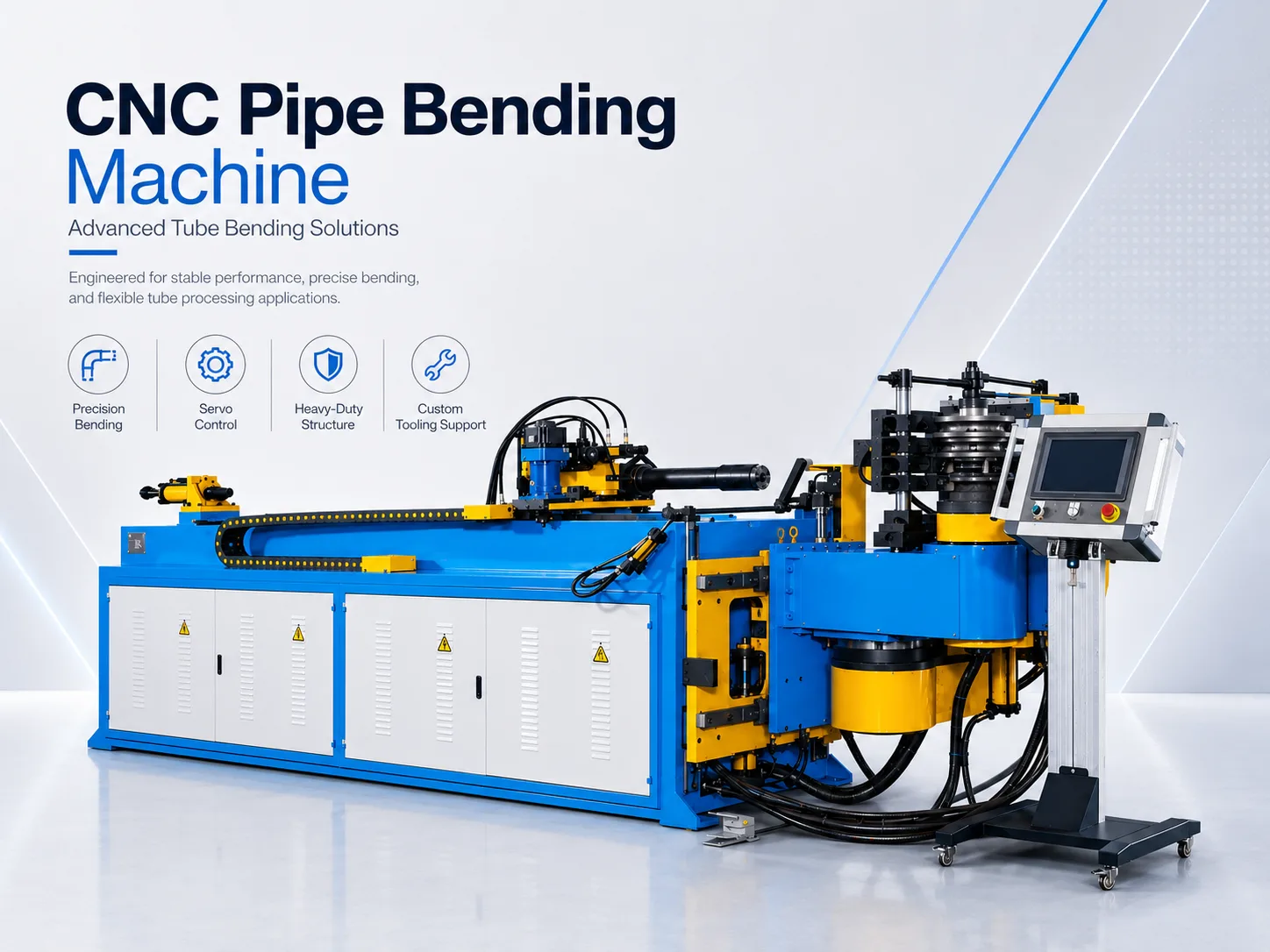
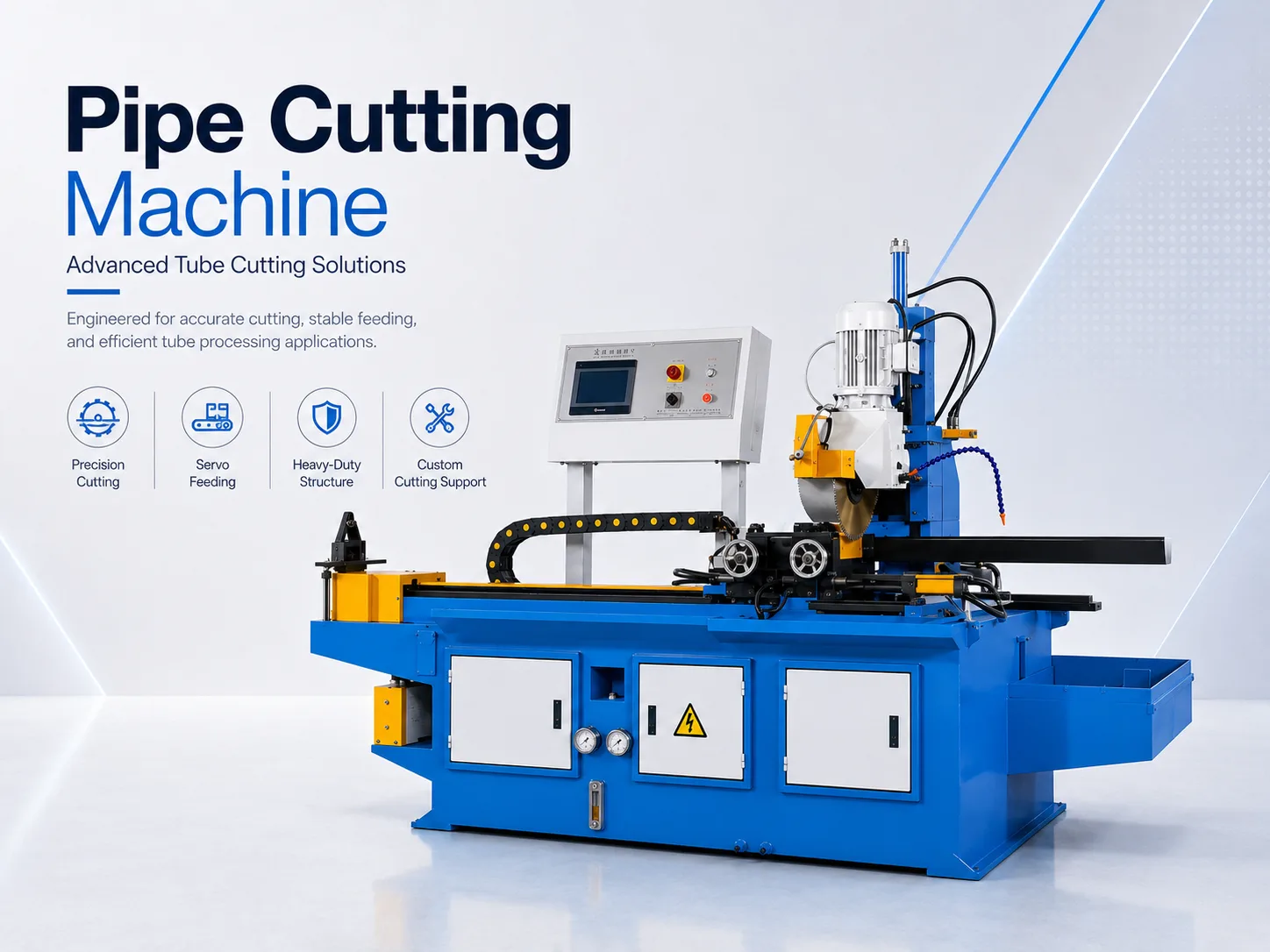
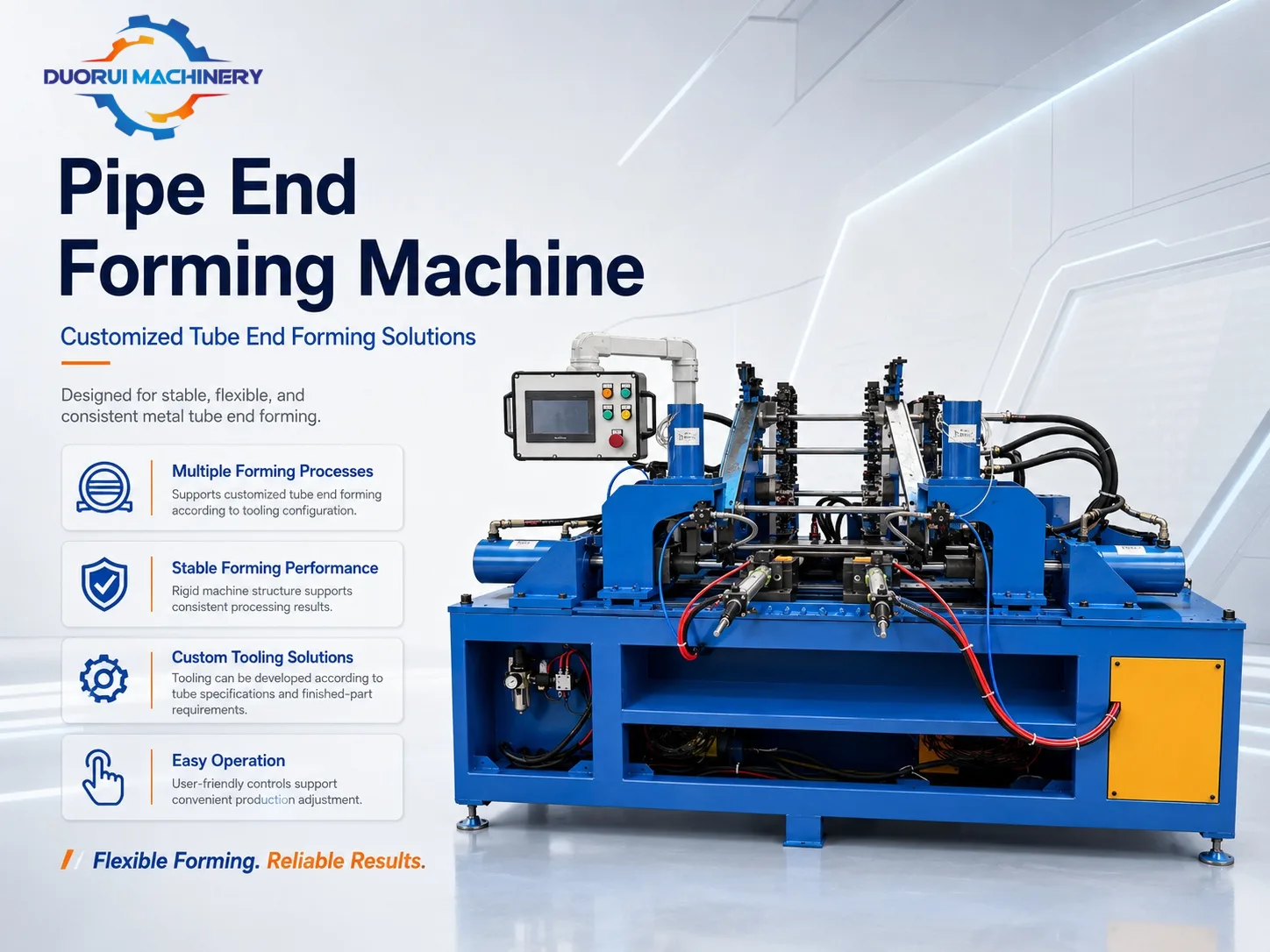
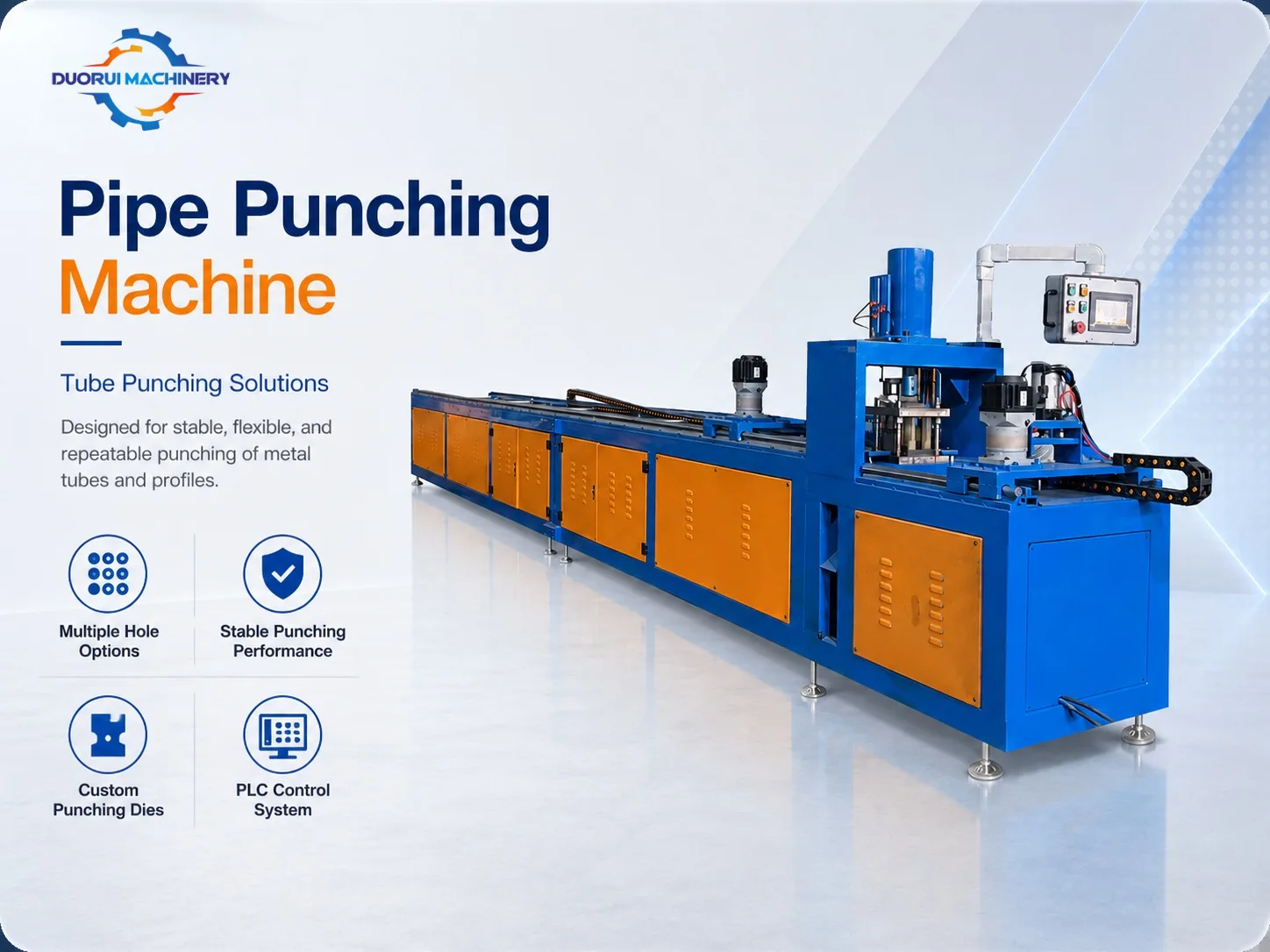
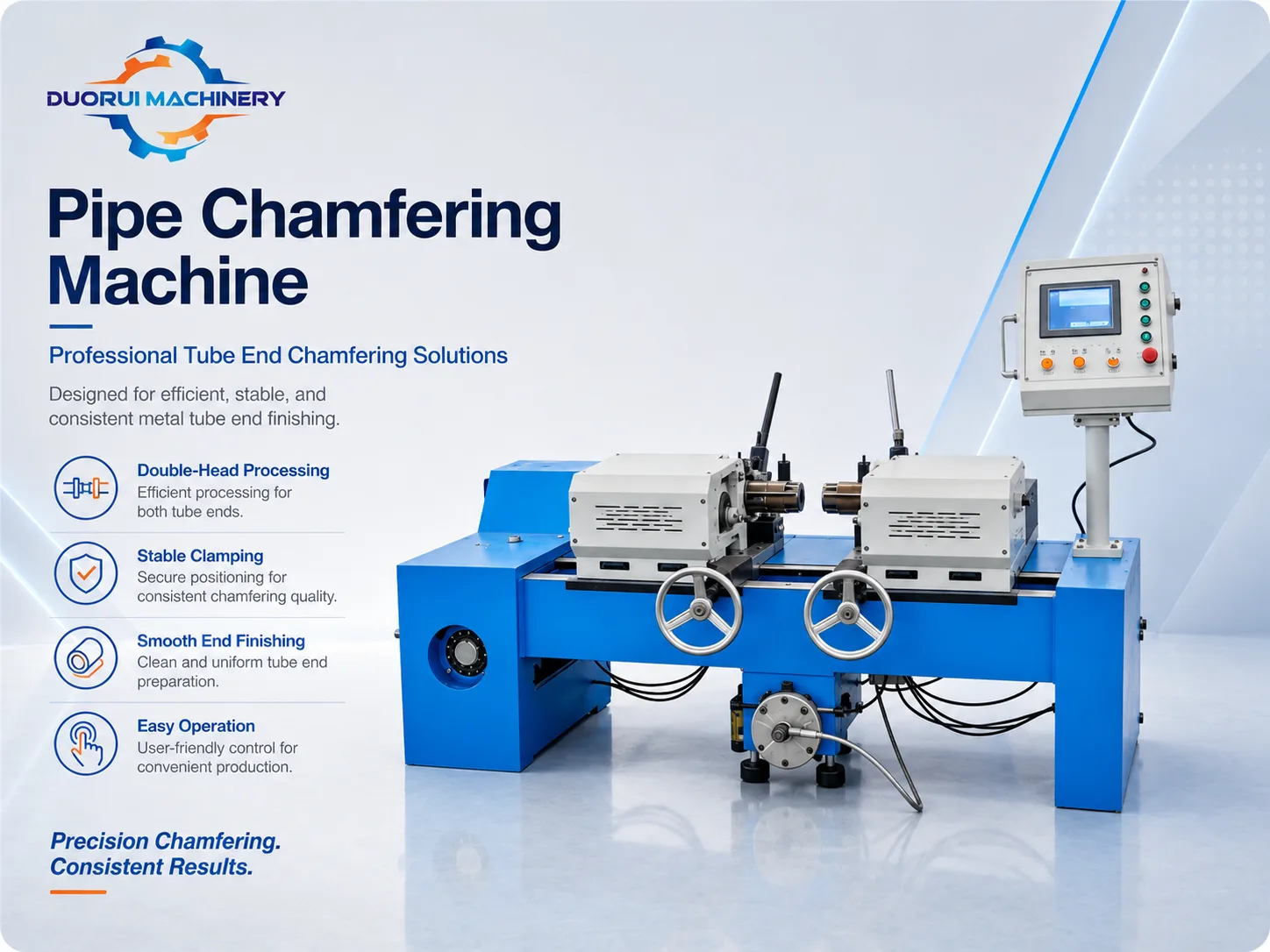
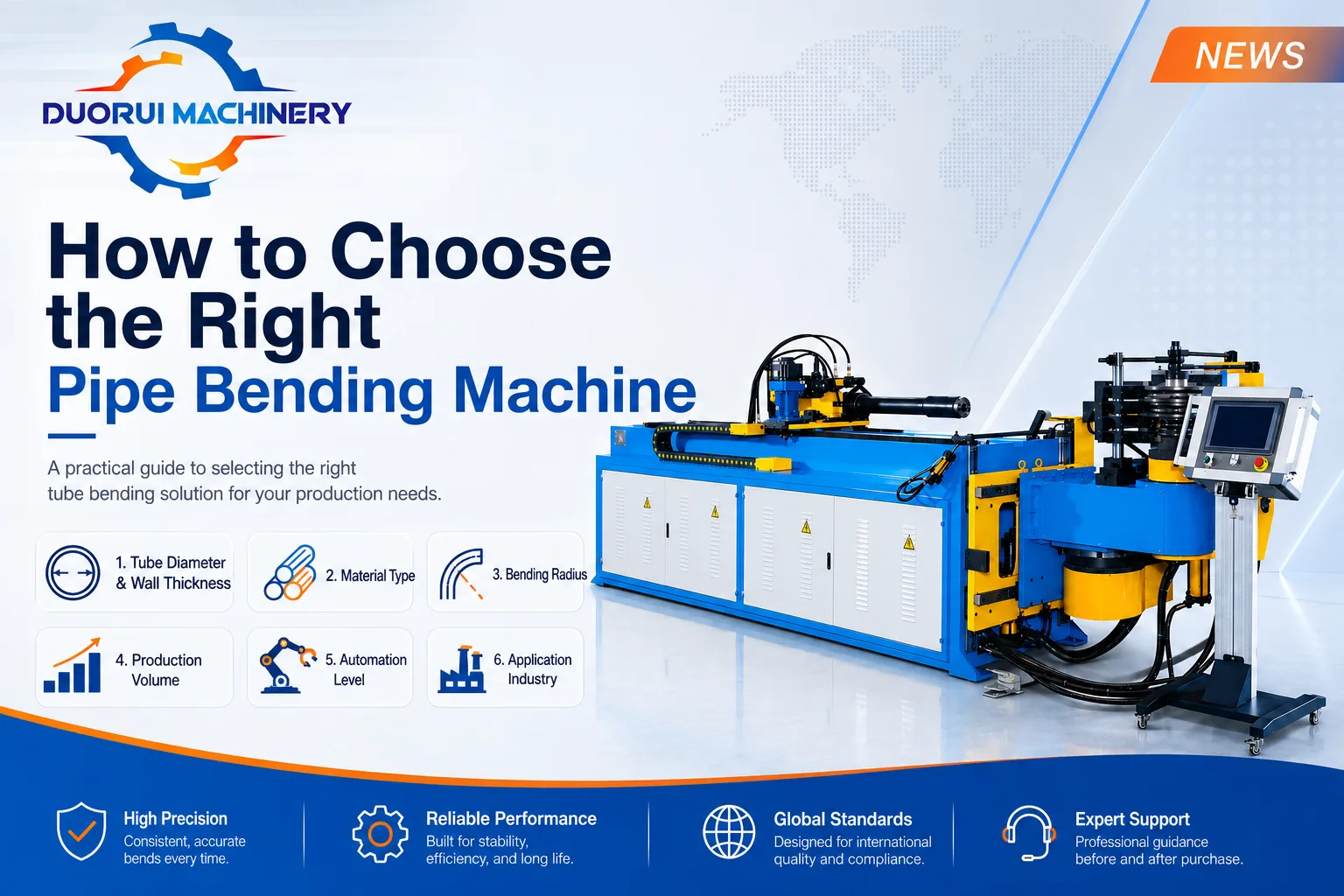
When buyers choose pipe processing equipment, they often compare machine models, prices, automation levels and technical parameters. However, one factor that should never be ignored is quality control. For pipe bending machines, pipe cutting machines, pipe end forming machines, pipe punching machines and pipe chamfering machines, quality control directly affects equipment stability, processing accuracy, service life and after-sales risk.
A pipe processing machine includes mechanical structures, hydraulic systems, electrical control, tooling, feeding systems, clamping systems and precision components. If any production step is not properly controlled, the final machine may have unstable performance, inaccurate processing, higher failure rates or shorter service life.
1. Quality Control Starts Before Assembly
Quality control should begin before the machine is assembled. Plates, frames, shafts, molds, electrical components and hydraulic parts must follow clear production requirements. A stable machine starts with reliable basic parts.
2. Component Processing Affects Machine Stability
Sheet metal cutting, machining, drilling, grinding and surface treatment all affect the final structure. Accurate component processing helps the machine maintain alignment and stable operation during long-term use.
3. Welding Control Improves Structural Strength
Welding quality directly affects machine strength and long-term durability. Poor welding may cause deformation, weak joints or reduced stability during production. Professional welding control helps ensure that the machine body remains strong and reliable.
4. Tooling and Mold Quality Determines Processing Results
For bending, end forming, punching and chamfering machines, tooling quality is critical. Different tube sizes, wall thicknesses, shapes and processing requirements need suitable molds and fixtures.
5. Machine Assembly Requires Careful Process Control
Machine assembly requires correct installation, mechanical alignment, organized electrical wiring and properly connected hydraulic or pneumatic systems. Careful assembly reduces operational problems after delivery.
6. Testing Before Delivery Reduces Buyer Risk
Before shipment, a professional pipe processing machine should go through functional testing and final inspection. Testing can include machine movement, control system operation, hydraulic performance, clamping stability, feeding accuracy and trial processing.
7. Export Packaging Protects the Machine During Transportation
For international customers, export packaging is part of quality control. Protective film, anti-rust protection, wooden cases and careful loading help reduce transportation risk.
8. Quality Control Builds Long-Term Customer Confidence
B2B equipment buyers care about whether the machine can run stably, produce qualified parts and receive support when needed. Strong quality control provides more confidence before purchase and better reliability after delivery.
Recommended Quality Control Workflow
Component processing, welding control, tooling and mold making, machine assembly, final inspection and export packaging form a practical workflow for pipe processing equipment manufacturing.
Conclusion
Quality control affects machine stability, production accuracy, service life, export delivery safety and customer confidence. DUORUI MACHINERY focuses on reliable pipe processing machine solutions through practical manufacturing experience, process control and technical support.